

Physiotherapy - Pelvic Health
Your health and well-being is important to us
At Holmwood Clinic we listen and support our clients throughout their journey to better health, increased confidence and greater activity. Many women find discussing pelvic health problems a challenge, even with their closest companions. Our clinicians are experienced in the treatment of a wide array of conditions; offering a sympathetic listening ear and a considered, individual treatment plan.
Your wellbeing is our objective. The goal isn't just the absence of dysfunction but to gain a better sense and understanding of self.
-
Tummy Gap (diastasis)
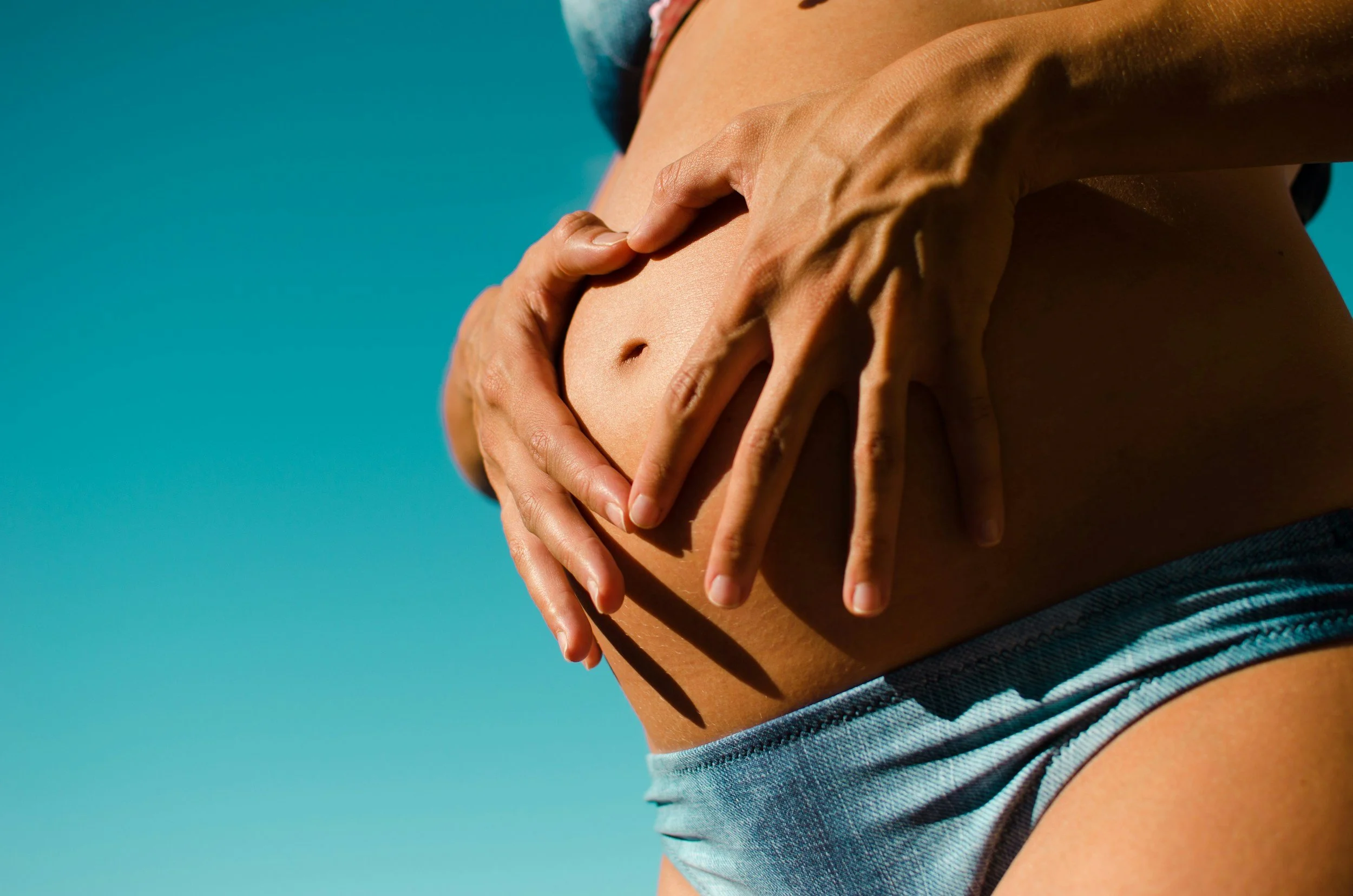
The majority of women who go through pregnancy will encounter a tummy gap. This is commonly a separation of the upper 'six pack' muscle and just above and just below your belly button region. The dimensions of this gap and the impact on a woman's life can vary greatly and are most commonly caused by genetics. The important thing to remember is that it is normal, and in the majority of cases needed to help give space for your growing tummy. There can be some anxiety around having a tummy gap, but our full assessment and treatment, including full rehabilitation programme, will help lesson any anxieties you may have. After all, there's nothing wrong with getting strong!
Bladder Issues
Incontinence is common throughout the UK; stress incontinence (involuntary leaking on a cough, sneeze, run etc) and over-active bladder (increased urge to void your bladder), are the most regularly reported. The impact on the individual can result in limited function and activity, feeling isolated and exhausted. With the help of your pelvic health physiotherapist there are multiple strategies to help combat it. Each require a full assessment and individualised treatment plan with rehabilitation to help treat and cure.
Painful Intercourse
Known as dyspareunia, pain can occur either in or around the vagina region before, during or after sex. It can be further broken down into two sub categories: vulvodynia (burning and hyper sensitivity around the vulva region) and vaginismus (where pain is triggered by spasming pelvic floor muscles). Medical interventions such as gynaecological surgery and inflammatory medical conditions may also prompt pain. To manage and even cure your pain, education remains key alongside breath work, pelvic floor down training and a tailored exercise plan.
Prolapse
Research has shown that many women (1 in 3), will encounter some form of prolapse. The degree to which this effects a woman's life varies greatly and is not necessarily correlated to the degree of prolapse. A prolapse is the descent of one of the pelvic organs into the vagina (be it the bladder, bowel or uterus) and may be characterised by a feeling of heaviness, dragging, persisting UTIs, pain during sex or a bulging at the opening of the vagina. To help lessen your symptoms there are multiple treatment options. These range from breath work and rehabilitation to improve your pelvic floor, as well as pessaries, to help increase the structural integrity of your vaginal walls. Please note, we do not fit pessaries at the clinic.
Pregnancy Aches and Pains
Pregnancy can be a wonderful time but for some women it can also involve a lot of discomfort. Pain in the low back, hips and lower limb joints, swelling and tingling of the hands, stiff and achy across the mid back, discomfort at the pelvis and global deconditioning can all be problematic. Depending on your presentation, you may be offered: manual therapy, education and advice to avoid positions, support devices to help reduce pain and a comprehensive rehabilitation programme.
Post-natal Scars (c-section and episiotomy)
Most vaginal deliveries will encounter some form of graze or tear during delivery. This is perfectly normal and the body does a wonderful job of healing itself. The scar for the C-section will naturally encompass multiple layers of tissue and have a greater healing time. Your pelvic health physiotherapist will assess your scars and aid in scar mobility where required through massage, dry needling and rehabilitation. Education and eliminating fear are a fundamental part of the treatment plan.
Peri to Post Menopause
50% of the population will take the journey from peri menopause to post menopause and such a journey can be a challenge for some women. Some symptoms may include: bladder and bowel issues, vulvar dryness and irritation, painful sex and prolapse. Understanding your symptoms is pivotal to the treatment of this once taboo subject. We treat women of all ages - it is never too late to seek treatment.
-
A warm welcome, empathy and compassion. Pelvic health dysfunctions can be debilitating and exhausting and here at Holmwood we create a rare blend of clinical excellence and a peaceful environment to put your mind and body at ease.
During your appointment we will assess:
Your personal history to ensure the clinician has a full understanding of your symptoms, but more importantly, how they affect you and the impact on your life.
An objective examination which will vary depending on your presentation, but a biomechanical screen will look at how and why you move in certain ways and how this impacts your symptoms.
Your strength and range of movement of key joints, whilst dissecting any beliefs you may have about movement.
Your pelvic floor, either externally, or via an internal vaginal examination. This is completely optional, you are under no obligation as your comfort and consent are the most important factors to us.
-
Treatment options will vary depending on presentation but may include:
Manual therapy including joint mobilisations, soft tissue muscle release and trigger point therapy.
Education to help you self-manage your symptoms, aiming to enhance your autonomy and independence.
Acupuncture and or dry needling to promote healing at a deeper level and facilitate soft tissue mobility, especially for scars.
Specific, individualised and evidence based rehabilitation to promote healing and avoid dysfunctional movement patterns, which may be contributing to your pain.