
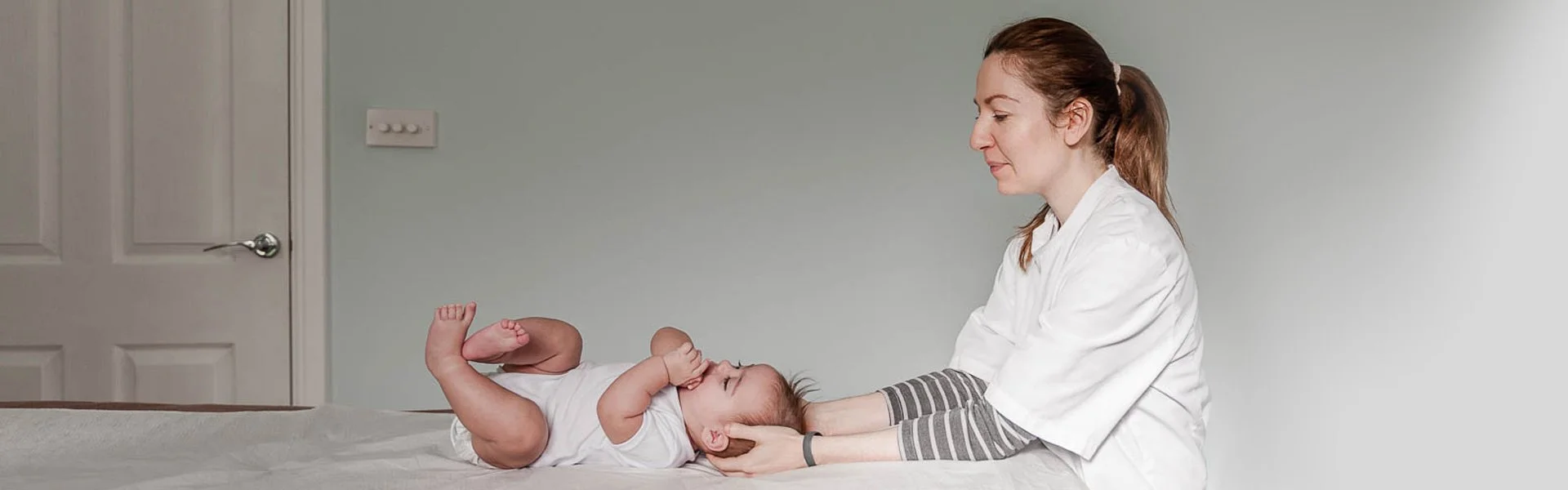
Osteopathy

The body is like an engine - when it is in balance and correctly adjusted, it will function better and have more energy with minimal wear and tear. Occasionally injuries, constant use or conditions such as arthritis can adversely affect the muscles, ligaments, nerves and joints to cause pain and restrict movement and use, sometimes in a completely different part of the body.

Book an Appointment
  • Osteopathy is a system of diagnosis and treatment aimed at reducing these aches and pains felt throughout the body, thereby improving the overall workings of the joints, muscles, ligaments and tendons to enable your body to work in equilibrium again.

    Osteopathic philosophy is a holistic approach to health, and stresses the importance of the musculoskeletal system in a person's health and well-being. The aim of treatment is to support the body's self-healing mechanism. Osteopathy involves soft tissue work, stretching and manipulation of the bones and muscles to help achieve this.

    Low back pain along with poor posture is the most common problem due to hectic lifestyles. However, patients have also reported that Osteopathy has helped with general maintenance of the whole body i.e. Neck, Shoulder, Knee and Ankle pain.

    Clients choose osteopathic medicine for a range of reasons, with the more common patient enquiries, relating to the conditions below:

    • Back Pain

    • Sciaticia

    • Neck Ache

    • Aches and Pains

    • Whiplash

    • Minor Sports Injuries

    • Arthritic/Rheumatic Pain

    • Muscle Spasms

    • Neuralgia

    • Inability to Relax

    • Fibromyalgia

    • Circulatory Problems

    • Digestive Problems

    • Joint Pains

    • Cramp

  • Osteopathy can help EVERYONE and relieve a multitude of symptoms.

    Osteopathic treatments are drug-free, non invasive and effective for almost everyone; as osteopathic techniques include a gentle approach, they are suitable for newborns through to the older person.

    Whether the problem is caused by poor posture, wear and tear, repetitive strain, sports injuries or even as a result of pregnancy , an osteopath will work with you to rebalance the body structures and help you achieve the best state of health possible.

    Osteopathy can also be a great help to body performance. It can speed the healing of injuries, increase the range of motion and lung capacity.

    Back Pain is still the most common problem I see, however patients have perceived that the following conditions have been helped by Osteopathy:

    • Arthritic pain

    • Circulatory problems

    • Cramp

    • Digestion problems

    • Fibromyalgia

    • Frozen shoulder

    • Shoulder and elbow pain

    • Tennis elbow

    • Cervicogenic headaches

    • Joint pains

    • Joint pains including hip and knee pain from osteoarthritis

    • General, acute & chronic backache

    • Generalised aches and pains

    • Lumbago

    • Migraine prevention

    • Minor sports injuries

    • Muscle spasms

    • Neuralgia

    • Tension and inability to relax

    • Rheumatic pain

    • Sciatica

    • Mechanical neck pain

  • What should I expect at the First Consultation?

    During the First Consultation an initial in-depth case history will be taken. Questions will be asked including:

    • Past Medical History i.e.Falls, RTAs (Road Traffic Accidents), Fractures (broken bones), X-rays

    • Any Conditions suffered

    • Any medication being taken for any reason.

    An Examination of the affected area will be assessed comprising of:

    • Spinal Movements (i.e flexing forward to touch your toes)

    • Reflexes and other tests done

    • Blood Pressure taken

    • For the examination you will be requested to remove outer clothing, I do ask patients to bring shorts and a loose fitting T- shirt with them to change into

    Findings/Diagnosis & Treatment

    • A discussion of findings, followed by a diagnosis and suitable treatment plan.

    • Treatment is included within all first consultations and can include:

    • Massage to relax tight muscles.

    • Gentle movement of joints and other pain free techniques to allow improved flexibility and movement of the body.

    • Home advice consisting of specific exercises and hot and cold applications, will also be given to help you treat the area yourself in between sessions.

  • Training consists of a four-year full time degree course, consisting of Anatomy, Physiology, Neural Science, Pathology, Pharmacology and Radiology, with a large part of the osteopath's training mirroring that required as standard by medical students aspiring to become Doctors.

    All Osteopaths have to be registered by a Regulatory Governing Body called the General Osteopathic Council (GOsC).

  • No, you can just ring and make an appointment, however you may want to speak to your private health insurer first to obtain an authorisation number before commencing with treatment.

    For your information, the clinic is registered with the following private health insurance: AXA/PPP, AVIVA, Simply Health, Pru Health, Vitality Health, Cigna and WPA.

  • You can call or email us to make an appointment by clicking on the appropriate link at the bottom of this website.

    Alternatively you can submit an enquiry through the form on our contact page.

  • What is Cranial Osteopathy?

    Cranial osteopathy is a subtle form of osteopathic treatment which uses gentle pressure to encourage the tissues to release throughout the body. It can be extremely effective in treating a wide range of conditions that babies and children suffer with.

    Cranial osteopathy has become increasingly associated with the treatment of pregnant mothers, infants and children whose delicate systems respond rapidly to this gentle treatment approach.

    Birth is a stressful event right at the start of life; however it prepares the baby for a whole new environment and life ahead. The birth process causes a surge in activity in all the systems of the body. Some babies easily absorb the stress of birth, however others can be deeply affected by it, especially when the labour has been long or very rapid, if there have been complications or interventions use, such as forceps, ventouse, or caesarean section. This resulting stress or tension can exhibit in a number of ways such as irritability, with the child finding it hard to settle, feeding difficulties or poor sleep patterns, and problems with digestion, wind or colic.

    Pregnancy is an amazing experience. Many important changes occur in a short period of time. Over the months of pregnancy the mothers spine and pelvis has to quickly adapt to a growing baby bump and her organs have to move to allow for this. As the pregnancy progresses the changes increase resulting in many of the aches and pains which are felt. Even after the delivery the physical demands continue with breast or bottle feeding, changing nappies, and lifting to bathe or simply to hold the child.

    The benefits of Osteopathic treatment during and after pregnancy are that it can help to ease some of this discomfort of the physical changes. Osteopathic treatment is very effective at helping with the pelvic imbalances that occur during pregnancy, and also conditions such as sciatica, low back pain, hip pain and aching joints. The aim of treatment is to help maintain a good pelvic balance and function which will increase the chance of a natural delivery with fewer complications.

    After the delivery Osteopathy can help with neck and shoulder ache that typically develops while feeding, which can help to make life easier. Also, advice to improve the mother’s posture as she nurses can be given. Treatment can even aid the mother achieve a swift postural improvement after the delivery.