

Cranial Osteopathy
What is Cranial Osteopathy?
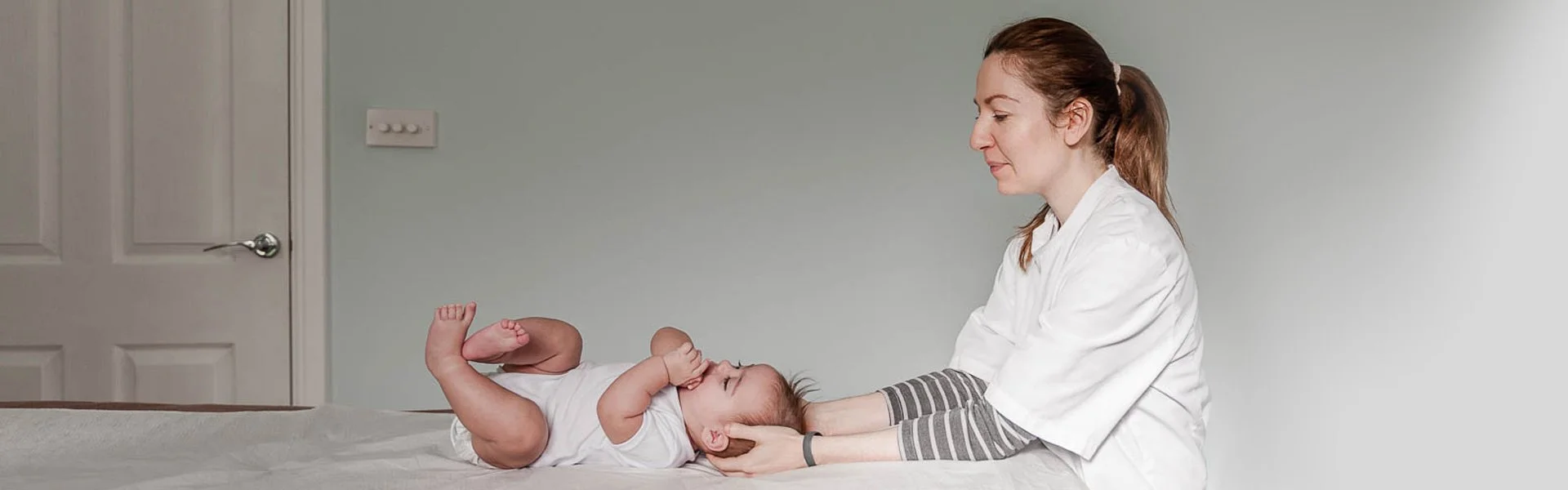
Cranial osteopathy is a gentle and subtle form of osteopathic treatment that uses light touch and gentle pressure to encourage the body's tissues to release tension and restore balance. It can be highly effective in supporting babies, children, and adults, particularly during periods of significant physical change such as pregnancy, birth, and early childhood. This treatment approach is especially well suited to infants and children, whose developing bodies often respond quickly to gentle, non-invasive care.
-
Cranial osteopathy aims to release areas of tension within the body, helping to support normal function and development. The gentle techniques used can help babies and children feel more comfortable and settled, while supporting their overall wellbeing.
-
Birth is a significant experience for your body. During labour and delivery, all of the body's systems experience a surge in activity. While many babies adapt well to this process, others may be more affected, particularly if the labour was very long, very rapid, involved complications, or required interventions such as forceps, ventouse, or a caesarean section.
-
When a baby experiences stress or tension during birth, it may present in a variety of ways. Common signs can include irritability, difficulty settling, feeding challenges, poor sleep patterns, digestive discomfort, excessive wind, or colic.
-
Postnatal osteopathic treatment can help relieve neck and shoulder tension often associated with feeding and caring for a baby. Osteopaths can also provide advice on posture and positioning during feeding, helping to reduce strain and improve comfort. Treatment may also support a quicker return to good posture and overall physical wellbeing after childbirth.
-
Yes. The physical demands of caring for a newborn continue long after delivery. Feeding, lifting, carrying, changing nappies, and bathing a baby can place strain on the neck, shoulders, back, and pelvis. Osteopathic treatment can help address these aches and pains while supporting postural recovery after pregnancy.
-
Pregnancy brings about rapid and significant physical changes. As the baby grows, the mother's spine, pelvis, and internal organs must continually adapt. These changes can lead to a range of aches, pains, and discomforts. Osteopathic treatment can help ease these physical strains by supporting balance, mobility, and function throughout the body.
-
Osteopathic treatment may help relieve common pregnancy-related discomforts, including pelvic imbalance, sciatica, lower back pain, hip pain, and aching joints. Treatment focuses on maintaining good pelvic balance and movement, which may help support a more comfortable pregnancy and increase the likelihood of a straightforward delivery.